
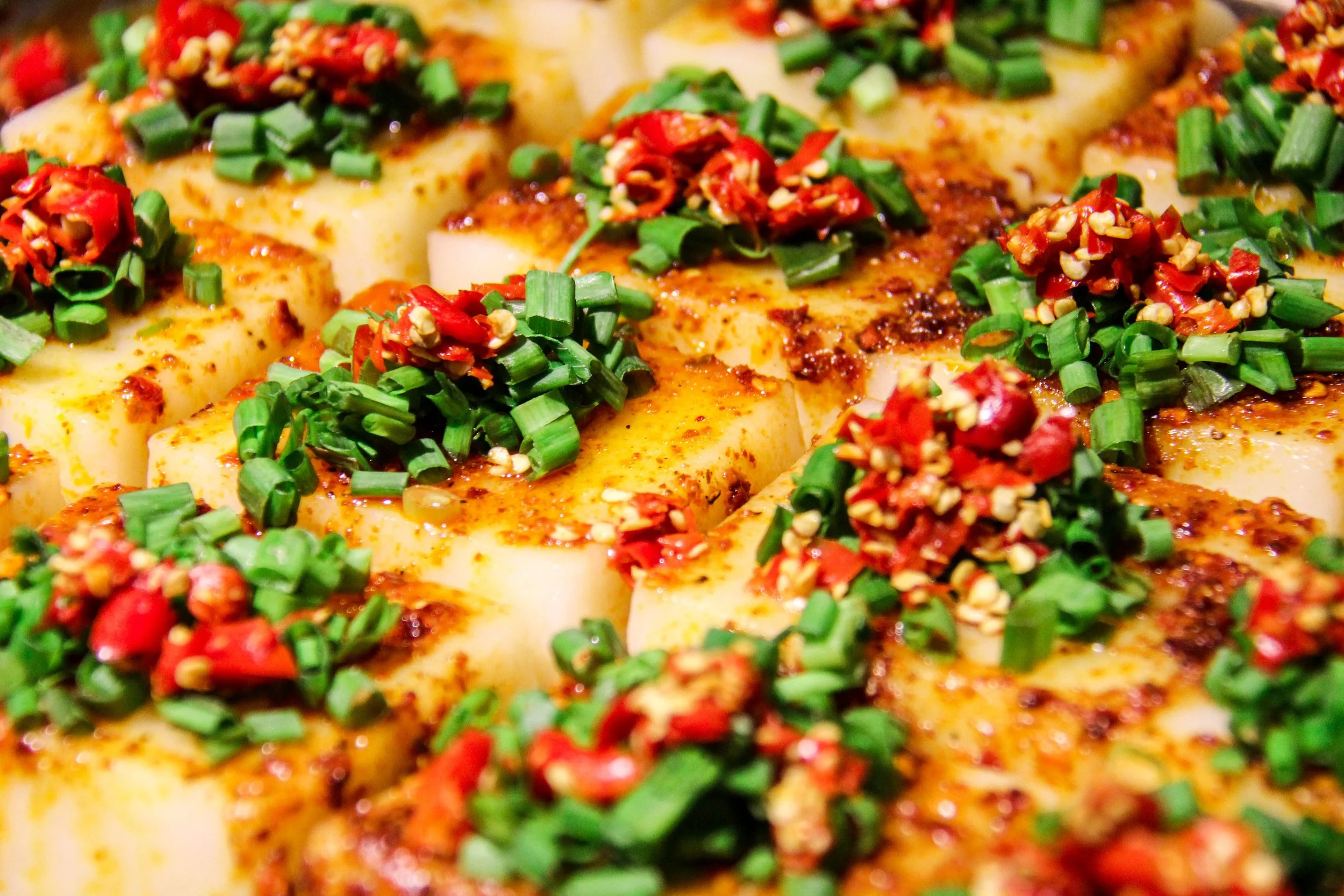
Sichuan Cuisine – Heat, pepper and vitality
Rain drums down on the aluminum roofs of small food stands. Thick, wet air pushes out of the dense jungle vegetation onto the city's crowded streets. Busy people bustle around like ants trying to escape the exhausting pulsation of the humid heat. They flock to the numerous cookshops whose bubbling, seething, and fragrant saucepans seem to offer a way out of heat-induced lethargy.
Western taste buds have always had a complicated relationship with spicy food, whereas it takes center stage in one of China's eight modern cooking traditions. The 八大菜系 (bādà càixi) make use of the variety of ingredients, spices, and cooking techniques the country has to offer, leading to the development of eight distinct culinary identities. Among these, no tradition is as world-renowned as the fiery and spicy rhythms of Sichuan cuisine. Its name derives from China's southwestern province, which encompasses most of the Sichuan basin and borders the eastern part of the Tibetan plateau. Naturally, its capital Chengdu offers the most authentic culinary experience possible. However, Sichuan cuisine has become increasingly popular internationally.
The basic ingredients of Sichuan cuisine
The excessive use of red chilis creates the intense flavor and signature color of Sichuan dishes. They are cut into pieces, fried, and made into oil, or pulverized, while some end up as garnish. Garlic is another staple ingredient well-known around the world. Its exuberant usage in Sichuan cuisine will surprise the sensitive tongues of westerners, though.
Just the sheer mention of those two might cause a slight tickle in some gums and have others anxiously grab a nearby glass of water. But no need to worry, you are safe. At least until your virgin taste buds first taste the thick, oily textures of Sichuan's flavors. If you have ever wondered what it feels like to drink battery fluid while licking a power outlet, Sichuan cuisine should be your go-to experience. For a short moment, you might wonder if the end is near. But once you feel the spicy frenzy overcome you, you will no longer crave anything else. Some might refer to that as magic, but the people from Sichuan call it Sichuan pepper or 花椒 (huājiāo) in Mandarin. It is generally considered an additional flavor next to sweety, salty, bitter, spicy, and sour, known as 麻辣 (málà). Initial contact can be very unpleasant, though, due to inexperience. Because accidentally crushing a peppercorn with your teeth will spread an electrifying numbness over your tongue. It feels similar to a limb gone dead. In his book "On food and cooking" Harold McGee describes it as a "general neurological confusion" induced by a sensitivity to touch and cold in areas usually numb to those sensations.
The truth is that most people are full of prejudice against spicy food, expecting the burning aromas to overpower any nuanced culinary experience. The Chinese diners of Western malls might easily evoke that impression with their dripping Sambal Olek bottles and their noodles drowning in Sriracha. It's far from the truth, though, if you turn towards the bubbling surface of a Sichuan-style hot pot or inhale the aroma of thin slices of rabbit meat roasted gently in an ocean of chilis. Sichuan cuisine is more than a relentless fire in your throat. The combination of spicy and sweet or sour flavors tells the stories of dishes curated and perfected over centuries.
What to eat in Sichuan?
麻婆豆腐 (mápó dòufu) translates to Grandmother's tofu. The dish has been my first experience with Sichuan flavors. The bite-sized cubes of tofu in a slightly thick mala-sauce with minced meat are widely spread all over China. They evoke the characteristic tingling sensation prevalent in Sichuan dishes without erupting into an overwhelming spiciness.
宫保鸡丁 (gōngbǎo jīdīng) is a classical dish available in a lot of restaurants all over China. Diced chicken meat, cut chili peppers, and peanuts are fried in oil. Due to its mild but somewhat spicy flavor, it enjoys great popularity even among Westerners.
担担面 (dàndanmiàn) are thin, white noodles drowned in chili oil and garnished with shredded peanuts, spring onions, and minced meat. Some cooks also add vegetables like kale or broccoli. The nutty-spicy taste warms the body from inside and is a slight provocation for the mouth.
辣子兔 (làzi tù) is rabbit meat and an ocean of chili peppers fried in chili oil. One of Shanghai's most famous Sichuan restaurants serves the dish on a big, slightly curved bamboo plate. Green, red and brown shades dominate the look. The scent in itself seems unsuspicious, almost bland. This impression massively changes once you indulge. Any saliva is immediately absorbed because the dish comes without any sauce. A dry, spicy texture will have you taking more than one deep breath throughout your dinner.
小面 (xiǎo miàn) has its origins in Chongqing, a city known for the spiciest hot pot in the world. This dish does its geographical DNA justice. The basis is the same noodles used for 担担面 (dàndanmiàn), garnished with a forgettable amount of kale. A broth seasoned with chili oil, Sichuan pepper, and roasted sesame adds the spiciness. It is not surprising that the Chinese often enjoy this dish as breakfast, for it will wake your body up with a shattering kick.
It might seem obscene to many people why anyone would want to mutilate their tastebuds. Such a point of view, however, reveals a tenacious prejudice against the sophistication and diversity of Sichuan cuisine. It might tickle and pringle, but the way different aromas dance around each other to the beating drum of the spiciness is unmatched. You can compare it to a chocolate-covered strawberry, equally tasting like chocolate and strawberry. Other than the sauces you encounter in Western interpretations of a unified Asian cuisine, the spiciness is not just a gimmick drowning out any nuance. Instead, Sichuan pepper and garlic hug the tofu or noodles, marrying them in a gustatorial celebration.
Everyone should expose themselves to the fever dreams of Sichuan cuisine. For the Sichuanese, their food represents tradition and vitality. They have been heating their inners for centuries to banish the thick humidity out of their bodies. While your first visit might leave you feeling a little exhausted due to overwhelming gustatory impressions, the second time, you will fall in love with the spicy and savory dishes from Sichuan curated for generations.