
Humans in the grinder – Addiction during the Covid-19 pandemic
A man in a suit stares at a flickering screen. He has got deep rings under his eyes, and his knees are bobbing up and down. Red numbers flash across the screen. The man tears his hair out, snuffling noticeably often. In the house next door, a mother enters her apartment, returning from her third job of the day. Her son is hungry and starts demanding dinner as soon as she enters the living room. A little later, she hectically grabs the oil from the cupboard as her eyes land on the bottle of red wine she hid there in the morning, ashamed of her drinking. On the street outside, a freezing man makes his way towards nowhere. He keeps asking the few scurrying people for money, but they don't have much more to offer than a little bit of pity and contempt.
Epidemic of Addiction
Addiction can happen to everyone, whether you're a manager making six figures a year or a widowed grandmother. The liabilities and uncertainty of life become so overwhelming for some that escaping into substance abuse or compulsive behavior are the only things offering short-term relief. Despite their pain, there still is tremendous stigma attached to addicts. Their struggle is often interpreted more as the weakness of a seemingly problematic person than as society's failure to offer psychological help to the struggling individual.
Most people describe a homeless person roaming the train station to ask for a few pennies when asked what a typical addict looks like to them. While that can be an addict's reality, it is just one of many. Addiction knows no class affiliation, education level, or karma protecting us from addiction's destructive tendencies when we only do good.
In his critically acclaimed book 'In the realm of hungry ghosts' Gabor Maté defines addiction as a problem-solving mechanism of our psyche. Unresolved problems and trauma nest in our system, growing bigger and bigger until they become so overwhelming that we can no longer cope with them ourselves. Instead, we get lost in a spiral of constant re-traumatization and pain. At that point, substance abuse and compulsive behavior are our only outlets. But we can not only get addicted to cocaine, heroin, or alcohol. Shopping addiction and the socially much-heralded workaholic culture can just as easily become coping mechanisms once such behavior crosses the threshold from enjoyment to compulsion. This satisfaction offers a short-term release and changes our current life situation into something positive. It is only a temporary effect, though, and soon we will find ourselves back in the same old darkness. For Maté, however, addiction is not an illness. There is no addictive personality. He talks about traumatized souls trying to escape their misery without needing to face any of their insurmountable problems. Sadly, our society offers addictive behavior perfect soil to grow and thrive. Keywords like work culture, velocity, or financial burden only scratch the surface of such intrinsic problems.
The ongoing pandemic didn't improve the situation but was rather beneficial to the malfunctioning mechanisms of society. A marathon of challenges and insecurities pushed many far beyond their physical and psychological limits. Studies dealing with government-imposed quarantine measures during the Ebola (2014) and SARS (2003) epidemics show that individuals suffered tremendously during those times. Scientists discovered a wide range of psychological symptoms, such as depression, stress, irritability, anxiety, exhaustion, and insomnia, that worsened with the pandemic. Similar developments were noticeable during the corona pandemic. The daily life of most of the world's population came to a screeching halt within a matter of days as imposed lockdowns forced people to stay at home. Stress reduction became limited to a minimum without pastime activities and social life. In addition, the unification of work, school, social life, and privacy in one place provided new, debilitating challenges with devastating consequences for one's mental health. Many people lived socially isolated for weeks, constantly confronted with their problems. Such circumstances provide fertile soil for escalating panic and mental illnesses, as lives full of neverending worries often result in depression.
Even before the pandemic, 22,9% of a representative survey revealed having dealt with depression before. 36,6% reported knowing someone who has fought with depression at some point in their life. Not just social isolation but also the fear of contracting a virus, with an unpredictable disease process caused many people problems. Similarly, the media's propagation of insecurities about food supply worried many about the preservation of society. Financial insecurities due to significantly limited sources of income pushed people into an existential crisis. More than one million people lost their jobs. Dr. William Stoops, professor of psychology, psychiatry, and behavioral science at the University of Kentucky, called it a "perfect storm" of factors promoting addiction. According to Stoops, everyone is more stressed and isolated than ever, making the most unhealthy decisions.
Substance Abuse
According to a survey by the Addiction Policy Forums surveying 1079 people addicted to various substances, 74% admitted to feeling emotional changes in themselves, with 20% confirming an increase in their substance abuse. One person mentioned never having felt as close to relapsing as during the pandemic. Another spoke about their depression taking on a previously unmatched severity. Germany alone recorded 1581 drug-related deaths in 2020, a significant increase of 13% compared to the year prior, with the abuse of opiates accounting for 37,1% of all cases. The percentage of poisoning with other substances increased by 6,3%, reaching 18,5% in 2020. 27,3% of drug-related deaths came from long-term damage due to substance abuse. The most significant increase in casualties was recorded for cocaine and crack abuse with 33,3%.
Alcohol
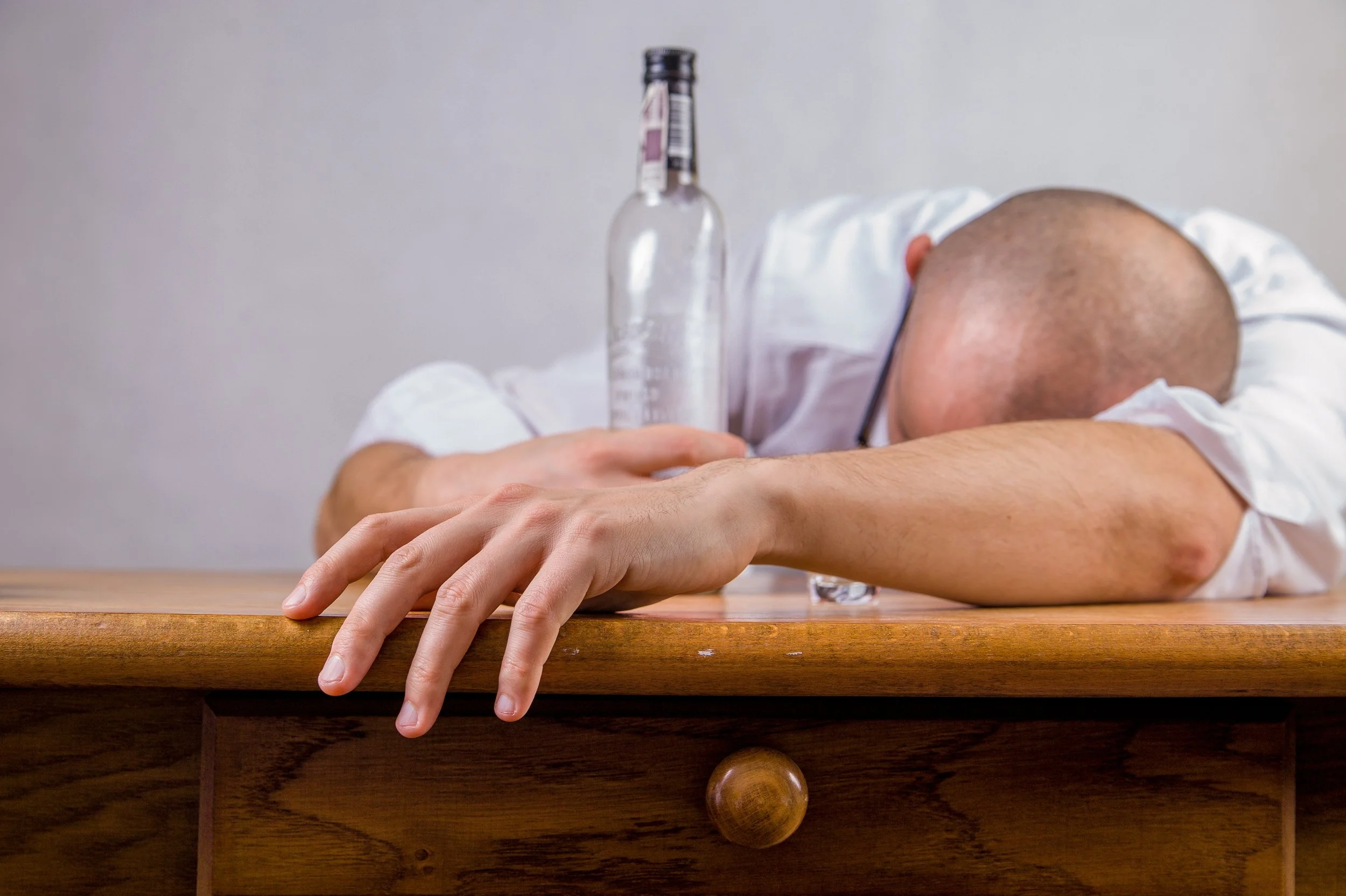
In a comparative analysis of 11 countries, the OECD (Organization for Economic Co-operation and Development) found Germany exhibits the highest number in alcohol consumption. Germans consume around 12,9 liters of alcohol per person every year, equaling approximately 2,6 bottles of wine or five bottles of beer per week. 34% of the participants stated that they drink "a lot" at least once a month. "A lot" in this instance means 80% of a bottle of wine or 1,5 L of beer on one occasion. The number of alcoholics in Germany is estimated to be around 3,5% of all society. A correlation between stress and alcohol consumption exists. Therefore, the situation of alcoholics and people prone to abusing alcohol in any way should have drastically deteriorated during the pandemic. While digital distribution of alcohol increased by 234%, its general consumption decreased. The German Federal Statistics Office declared beer consumption sank by 5 liters per head. In addition, consumption of prosecco and hard liquor went down by 2,1% and 0,9%, respectively. Merely consumption of wine and liquor containing wine increased by 7,7%.
However, to what extent that is a realistic representation of the situation remains questionable. The majority of that decrease possibly equates to bars and restaurants having to shut down for a significant amount of time, but not the sudden disappearance of alcoholism. In fact, people actually reported an increase in their alcohol consumption during the pandemic to ease the effect of problems and challenges on their lives.
Online casinos and free internet games thrived during the pandemic because the shutdown of casinos and gambling halls left many with no other opportunity to satisfy their urge to gamble. However, the risk factors causing the development of compulsive gambling are much more potent in their digital form. Missing social control over permanently available digital currency makes any reasonable understanding of money obsolete. According to a Swiss study, it is especially younger people with a low income and a lower level of education who are prone to developing a gambling addiction. Moreover, half of all monetary wagers come from the 10% of people exhibiting problematic gambling behavior.
Media Use
The German Center for Drug Control during Childhood and Youth found a pathologic usage pattern, meaning compulsive usage, of digital entertainment in 4% of all teenagers between 10 to 17 years. Computer and mobile games (2019:144.000 → 2020: 219.000) and social media apps, such as Instagram, TikTok, and Twitter (2019: 171.000 → 2020: 246.000) recorded a significant increase in their number of users. Intensified isolation and an irregular day-and-night cycle result in problematic media usage, especially for teenagers. Unregulated access to entertainment resulted in neglect of other activities and decreased performance in school. On average, the time spent in front of a screen each day increased by 69%, equaling 189 minutes, during the pandemic.
Helplessness and the pandemic
No concerts or restaurants also mean no meetings of any self-help groups like Alcoholics Anonymous. Those whose psychological stability relies heavily on such programs suddenly found themselves lost between the walls of their apartments with an extremely high risk of relapsing. Regular participation in self-help groups, on the other hand, eases the pressure of relapse and is part of the process of returning to normality in life. At the start of the pandemic, many of these activities became available through digital media, like Zoom or Skype calls. The feeling of being kept prisoner by one's own house remained, however, just like doubts about the effectiveness and actual usefulness of online therapy and counseling. 78,5% of respondents to a study said that they felt digital counseling was too impersonal, and 69,5% expressed security concerns. 46,5% even said they considered these services dangerous, whereas only 39,5% found them helpful. It seems as though there are a lot of reservations that could cost someone's abstinence and arduously fought for health.
Societal and systemic problems are still the cause of such a prevalence of addiction. The pandemic, however, has severely worsened that situation through limited access to resources and a constantly increasing amount of stressors. Yet it's not just those previously addicted that are in danger. More and more people feel cornered. They cannot seem to find a healthy way to cope with the imposed quarantine measures and feel stressed by an uncertain future.
If you need help or know someone who does, you can contact the addiction counseling of the Red Cross here. Furthermore, the national crisis line offers support to relatives and friends of addicts.